

Essential Skills for First Time Solo Travelers
When you’re new to travel, it can feel like there’s a secret club of “pro travelers” who somehow know how to handle everything, from public transports to foreign currencies, unfamiliar food, and conversations with locals.
The truth is, no one is born knowing these things. Most of us learn the hard way, one awkward moment at a time.
You don’t need all these skills to start traveling. I definitely didn’t. But each one makes the road a little easier, safer, and more enjoyable.
1. Swimming
If you go to a beach destination without knowing how to swim, your options become very limited. You end up just watching the ocean instead of experiencing it.
I know because I only learned to swim at 26. Before that, any water deeper than my waist made me fear for my life. Snorkeling, kayaking, paddleboarding — those were things other people did.
Sure, you can wear a life vest. But when you don’t know how to swim, you never fully relax. Imagine going all the way to the Maldives or the Carribean and not being able to see what lives beneath the water. Learning to swim gave me an entire new version of the world.

Related post: Can You Scuba Dive if You Can’t Swim?
2. Riding a scooter / motorbike
In many parts of Asia, scooters are not just an adventure — they’re daily life.
If you travel to Indonesia, Vietnam, Cambodia, and even small towns in Malaysia, public transport doesn’t always reach the places you want to see. If you can’t ride, your choices become expensive quickly: private drivers, taxis, or skipping places altogether.
In Wae Rebo, I paid Rp400,000 for an ojek (motorcycle taxi) because I couldn’t ride one myself. If I had the skill, it would have cost a quarter of that. So yes, I’m that rare Asian who can’t ride a motorbike, and my wallet feels it every time.

Related post: Taking Scooter Lessons in Bali
3. Dealing with conversions
Travel is basically math in disguise: currencies with too many zeros, time zones that mess with your brain, and kilometers when you grew up with miles.
In places like Indonesia and Vietnam, counting money can feel like reading phone numbers. Add jet lag and suddenly simple calculations become risky. I’ve missed flights because I mixed up arrival and departure times across zones — a mistake I certainly don’t recommend.
This skill isn’t about being good at numbers. It’s about slowing down and double-checking before you hand over cash or show up at the airport on the wrong date.
4. Basic outdoor survival
I’m not talking about turning into Indiana Jones. Most of us just need practical outdoor awareness.
If you hike during your travels, even casually, you should know:
- how to navigate using a compass, GPS, map, etc
- how to deal with weather changes
- what essential items to bring
- what to do if you’re separated from a group
Things can go wrong faster than we imagine. A little preparation keeps a day trip from becoming a scary story.
If you’ve spent most of your childhood outdoors, then you probably already know these skills. Otherwise, check out local hiking groups in your area, and see if they organize any workshops.
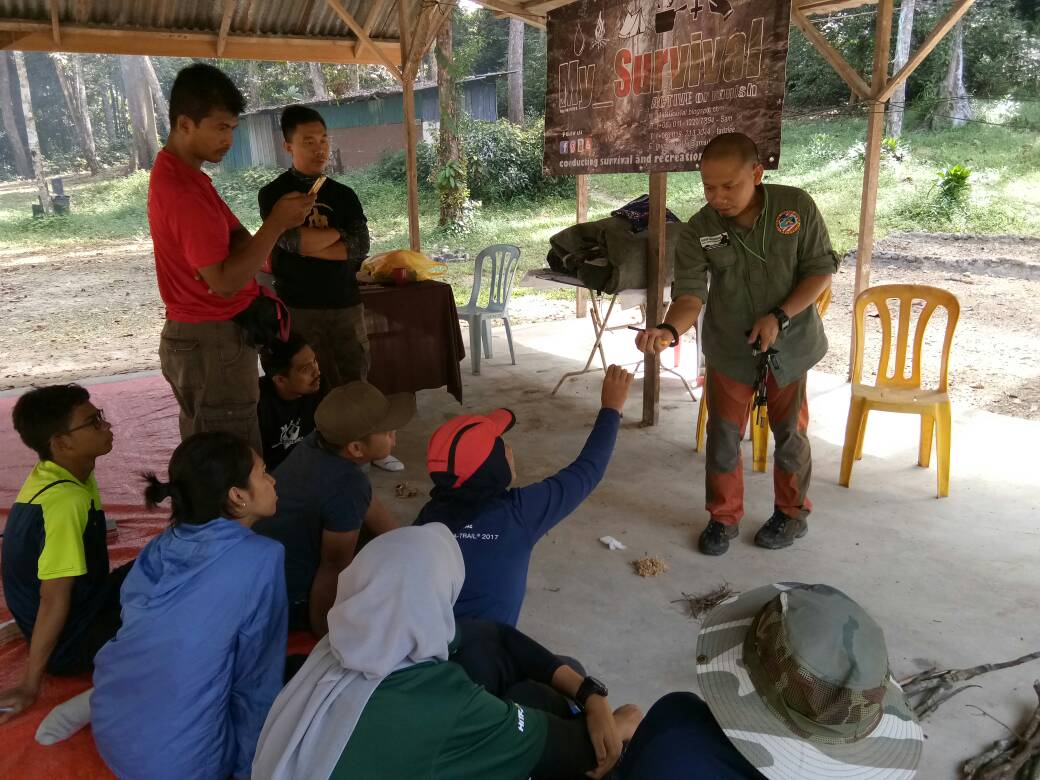
Related Post: Basic Outdoor Survival Skills You Need to Know Before You Go Camping
5. Basic first aid
Accidents don’t check your itinerary. And if you travel solo, first aid becomes even more important.
Do you know how to help yourself if you choke while eating alone? How to treat a burn from a motorbike exhaust? How to recognize dehydration?
You don’t need to be a medic. You just need enough knowledge to handle the small things before they turn big.

6. Personal safety & basic self-defense

I hope none of us ever need this. Still, it’s a beneficial skill to have, even if it’s just to develop confidence and awareness of your surroundings, both of which are essential, especially for solo travelers.
Learning basic self-defense isn’t about becoming aggressive, but is more about noticing potentially dangerous situations, understanding basic ways to protect yourself, trusting your instincts, and to create distance when necessary.
Often the greatest benefit is mental. You pay attention differently, and that alone prevents problems.
7. Haggling
In many places in the world, haggling is the norm. The first price that anyone quotes you is just an opening line.
I have to be honest though — I’m terrible at it. I’m introverted and slightly social-phobic. Haggling is just too much social interaction for me. It makes me feel guilty, like I’m bullying someone’s livelihood.
So, I often choose shops with fixed prices, and instead of taking taxis or tuktuks, I stick to buses or e-hailing apps, where haggling isn’t necessary.
But if you want to be a savvy traveler who doesn’t get ripped off all the time, this is a must-have skill. Don’t worry if you’re not good at it the first time — it’s an art that you will hone with practice.

8. Using different types of toilets
Let’s talk about what travel guides rarely discuss.
Squat toilets, water hoses, and buckets are normal in large parts of the world. The first time can be… confusing, to say the least.
For Asians traveling to the West, the shock goes the other way: toilet paper only, sitting seats, and no water in sight. I carried a bottle with me in Europe for weeks before I adjusted.
It sounds trivial, but comfort with bathrooms is comfort with daily life. Master this, and half your travel anxiety disappears.
Related post: The Traveler’s Guide to Toilets Around the World
9. Eating like the locals
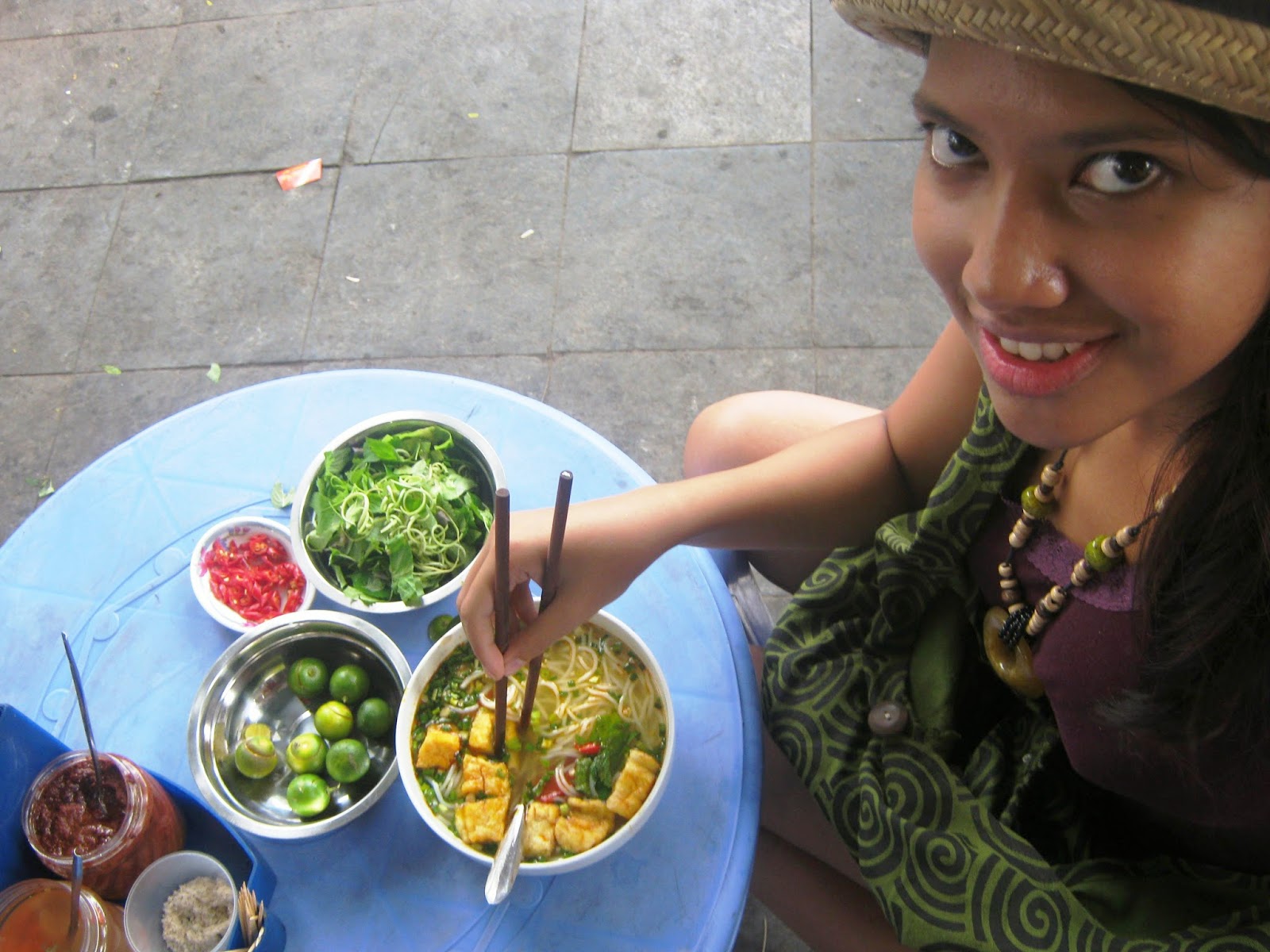
Food is how I understand a place and its people, and I prefer doing it the way locals do. If breakfast is eaten standing by the roadside, I’ll stand too. If people slurp their noodles to show appreciation for the food, I’ll do the same.
If it’s a skill you’re not familiar with, it causes no harm to learn. I learned chopsticks while traveling solo in Asia. It’s not about performance, but about respect and curiosity.
10. Learning the local language (even a little)
English can take you far, but not everywhere. At some point, especially if you travel independently without a tour guide, you’re going to come across someone who doesn’t speak your language.
Learning a few basic phrases like “hello” or “thank you” can soften faces instantly. I saw this while walking 240 kilometers from Portugal to Spain. Many villagers spoke no English, and at first some looked at me cautiously. But the moment I said “Bom dia,” suddenly they were all smiles.
It was amazing to see what a big difference a simple effort could make.
11. Navigating without internet
Google Maps is amazing, until it isn’t.
Batteries die. SIM cards fail. Remote islands laugh at your data plan.
Learning to read physical maps, remember landmarks, and ask humans for directions is still a superpower.
When I lost my phone in Latvia, I realized that I had been relying so much on gadgets that I had forgotten how to do basic stuff like reading a map. The good thing was I had traveled before smartphones, so those pre-digital skills definitely helped.
12. Making friends with strangers
We grow up hearing “don’t talk to strangers,” so it’s no surprise that as adults, we continue to carry this distrust toward people we don’t know.
Then, we find that travel demands the opposite. Strangers drive us around, cook our meals, share hostel rooms, and show us directions. If you choose not to trust or talk to any stranger, it’s going to be one very lonely trip.
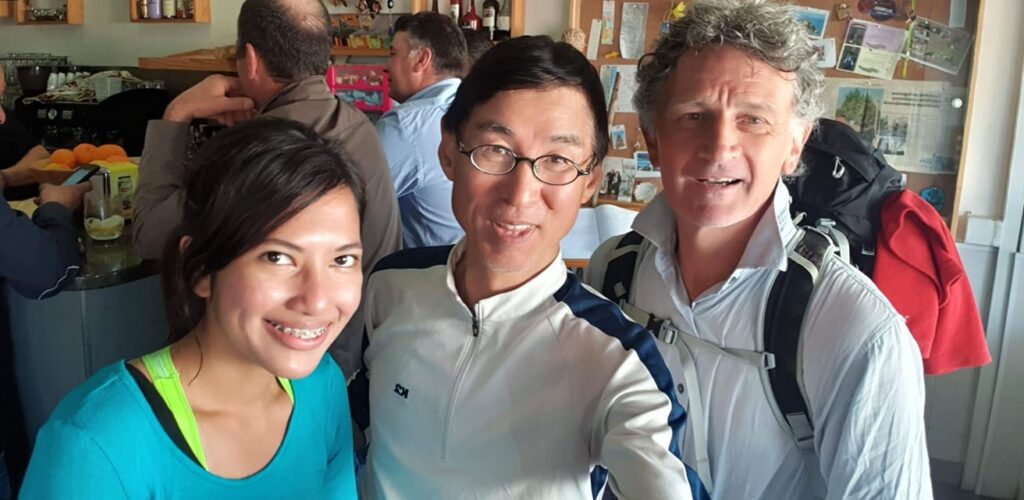
So, despite my social inhibitions, I try as much as I can to connect with the locals and other travelers. Out of the many hundreds of strangers I met and talked to, perhaps only one or two of them gave me awkward experiences.
The rest simply blew me away with their generosity and kindness. Some of them remain friends with me to this day.
You don’t need to be perfect
Do I have all these skills? Not even close. I still can’t ride a motorbike. And I still avoid haggling when I can.
Fortunately, travel isn’t a test you pass before buying a ticket. The road itself will teach you. These skills simply make the lessons gentler.
So if you’re waiting to feel “ready”, don’t. Start anyway. You’ll learn as you go, just like the rest of us.
Happy travels.
Planning your first adventure abroad? I’ve put everything I use and recommend inside my Travel Toolkit.
Thank Q for sharing so many essential skills here . Yang No 5 tu baru Sal tahu dan teruja jugak untuk mendalami lebih lanjut.
Yg no 5 tu penting bukan untuk travel saja, tapi untuk kehidupan seharian. Nanti cuba google kat mana ada disediakan training percuma. Yg ni saya join kat Shah Alam.
I am so eager to go on holiday! But the pandemic is crazy, hopefully, it will be better, so all of us can go to travel again.
Me too. Let’s keep our fingers crossed that we’ll get to travel again soon. 🙂
Once traveller memang kena ada semua basic skill ni kan. Kena adapt ikut suasana dan kawasan. Memang tips yang bagus.
Ya, terutamanya bagi yang travel solo, memang perlu mahir semua ni. Tapi saya sendiri pun masih belajar sebenarnya. 🙂
I know how to read maps a little bit cause I traveled a lot with my familt since I was a little girl and no gadget. We only have maps at the time.
Good for you. That’s a very useful skill to have even with all the technology at our disposal. 👍🏽
terbaiklah untuk senarai ni. tapi saya di no 1 pun dah fail hehe. tak reti berenang. yang lain2 tu in shaa Allah boleh 🙂
Wow, 11 out of 12 dah kira bagus la tu. Masih belum terlewat untuk belajar berenang. Sekarang ni byk je kelas untuk orang dewasa. Saya pun mula belajar masa umur lewat 20an.
Wow…. i love reading this post ! Tak sabar nak travel huhuhu. Tolong abis cepat covid19
Saya pun. Sama2 la kita lakukan apa yang patut untuk tamatkan riwayat Covid-19.
Banyaknya tip berguna yang ummi share. Moga 1 hari nanti sisyat dipermudahkan utk merasai travel mcm ummi 😊
Semoga dipermudah, Sisyat. Nanti boleh la refer balik kat blog saya untuk dapatkan tips2 travel 😊
Perkongsian yang menarik ni. Ya, kemahiran asas yang patut traveler tahu, lebih-lebih lagi wanita. Barulah selesa berada di tempat orang kan.
Betul tu, dan sekalipun kita tak travel, rasanya kemahiran2 ni masih perlu dipelajari. Satu masa nanti pasti berguna. 🙂
Good tips utk traveller. Baca map memang sangat penting pulak2 bila pergi ke negara yg betul2 asing yg penduduknya x leh betkomunikasi guna english
Betul sangat2. Walaupun sekarang teknologi membolehkan kita guna gps dan waze, tapi kita tak boleh terlalu bergantung sgt. Ada masanya mungkin kita terpaksa baca map secara manual.
No 1 & 2 tu i faliled..hahahaha basikal okay, tapo motor tak mahir, boleh bawa tapi takde lesen hahahaha… lain-lain boleh pandai bawa diri dan sendiri mau ingat jee hehehe
Oh, at least boleh la jugak bwk walaupun takde lesen. Saya langsung tak boleh. Terus masuk longkang.
Yes, indeed all the tips you mentioned really useful for every traveler… But I’m lacking of the 2nd skill 😛 but luckily my travel buddy can!
Haha good for you. Then you can each use your different sets of skills to help each other. As a solo traveler I have to learn to depend on myself 😆
wah.. lihat pada aktiviti dan pengalaman sis dalam entri ni menampakkan sis ni memang seorang yang aktif dan berpandangan luas ni.. banyak tempat dah pi, banyak aktiviti sis join dan siap share tips2 lagi tu.. tahniah .. ! thank you juga sebab share tips2 semoga bermanfaat untuk semua yang membaca..
Terima kasih! Semoga tips2 yang saya share di sini bermanfaat untuk anda. ☺️
Item no 2 an 3 I sangat agree memang kita kena tahu tentang tu pertukaran mata wang dan juga kemahiran travel terutama travel luar negara yang kita tak pernah pergi dan juga agak sukar dapatkan kemudahan hurmmmm bagus lah info ni sangat berguna thank share…
You’re welcome, Maha. Skill2 ni semua mmg sangat perlu, terutamanya untuk yang travel solo, sebab semua kena buat sendiri, takleh bergantung pada orang lain.
Pingback: Basic Outdoor Survival Skills You Should Know Before You Go Camping – Ummi Goes Where?
Pingback: 12 Kemahiran Yang Perlu Ada Pada Setiap ‘Traveler’ – Ummi Goes Where?
I am terrible at reading maps – I’ve become so reliant on GPS but reading this has taught me that being able to read a map is still relevant especially for travellers!
Oh yes, it still is, Erika. I had to learn it the hard way when I lost my phone while traveling solo!