
The Truth About Kopi Luwak: Indonesia’s Most Famous (and Controversial) Coffee
If you’ve ever heard of the world’s most expensive coffee, there’s a good chance it was kopi luwak. Famous in Bali and across Indonesia, this coffee has sparked fascination (and controversy) among travelers, coffee enthusiasts, and food lovers.
But what makes kopi luwak so special?
Its story is unusual, to say the least, and involves a mysterious process that transforms ordinary coffee beans into something rare, prized, and highly sought after.
People pay hundreds of dollars a pound for it, but is it truly worth the hype or the ethical concerns that come with it?
In this guide, we’ll explore everything you need to know about kopi luwak: how it’s sourced, the ethics behind its production, where to find authentic beans in Bali, and what it actually tastes like.
By the end, you’ll have all the insight to decide whether this notorious coffee deserves a place in your cup.
Affiliate disclosure
Some links in this post are affiliate links, including Amazon Associates and other programs. That means if you buy through them, I may earn a small commission at no extra cost to you.
What is kopi luwak?
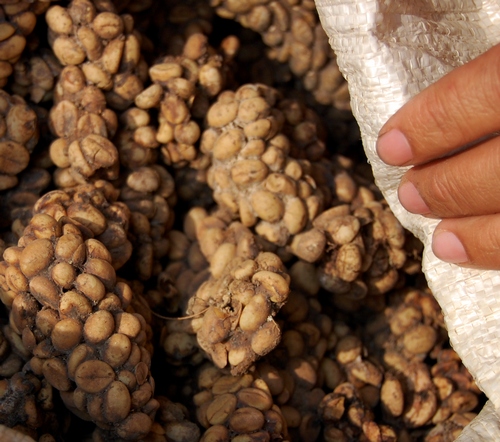
Kopi luwak is made from coffee beans that have been eaten and excreted by Asian palm civets before being collected, cleaned, and roasted.

Civets are naturally drawn to the sweetest and most mature coffee cherries, which is one reason kopi luwak gained a reputation for quality.
Once consumed, the cherries pass through the civet’s digestive system. The pulp is digested, but the beans remain intact.
During digestion, enzymes interact with the beans, altering their protein structure and reducing certain acidic compounds. This process is believed to contribute to kopi luwak’s smoother, less bitter taste.
After excretion, the beans are collected, thoroughly washed, dried, and roasted like conventional coffee beans.
Why is kopi luwak so expensive?
Traditionally, kopi luwak was rare because it relied on wild civets and manual collection of beans from forest floors.
Limited supply, labor-intensive processing, and international demand pushed prices up dramatically, earning it the reputation of being one of the world’s most expensive coffees.
Today, prices vary widely depending on sourcing, authenticity, and whether the beans come from wild or farmed civets.
Is kopi luwak ethical?
Ethics are the biggest concern surrounding kopi luwak production.
In the wild, civets wat a varied diet that includes fruits, seeds, and insects. This diversity contributes to both their health and the coffee’s unique flavor.
However, as demand for kopi luwak increased, many producers turned to commercial civet farms.
On these farms, civets are often kept in small cages and fed an unnatural diet consisting almost entirely of coffee cherries. This practice can lead to malnutrition, stress, and shortened lifespans.

Many of these farms also operate as tourist attractions, where civets — naturally nocturnal and solitary animals — are kept awake during the day for photos and human interaction.
In response to growing awareness, several organizations have taken action.
The Sustainable Agriculture Network banned coffee production from caged civets, and major certifiers such as Rainforest Alliance and UTZ have stopped certifying producers that rely on caged animals.
If you choose to try kopi luwak, ethically sourced, wild-collected beans are the only responsible option.
How to identify ethically sourced kopi luwak
Ethical kopi luwak can be harder to find, but there are clear indicators to guide you:

- Look for producers who explicitly state their beans come from wild civets, not farms.
- Check for certifications from Rainforest Alliance or UTZ, which provide some assurance of ethical practices.
- Favor small-batch producers over mass-market sellers, as they are more likely to prioritize quality and animal welfare.
- Be wary of unusually cheap kopi luwak, which is often fake or diluted.
Being selective about sourcing not only ensures better quality but also supports the wellbeing of civets and sustainable practices.
If you’re not travelling to Indonesia anytime soon but still want to try it, you can find ethically-sourced kopi luwak on Amazon.
Where to find kopi luwak in Bali
Bali has no shortage of cafes, souvenir shops, and plantations selling kopi luwak. Authenticity, however, is a major issue. According to Nordic Coffee Culture, more than 80% of coffee sold as kopi luwak globally is either diluted or entirely fake.
If you want to enjoy authentic kopi luwak responsibly, check out Satu Satu Coffee Company (Badung) and Bali Pulina Coffee Plantation (Gianyar) for ethically sourced beans from cage-free civets.
Kopi luwak tours are another common way tourists encounter the coffee. These tours typically include a walk-through of the production process and end with a tasting session.
In my case, since the place I was taken to also sold other products like teas and cocoas, I got to try them too. There were 12 different samples.
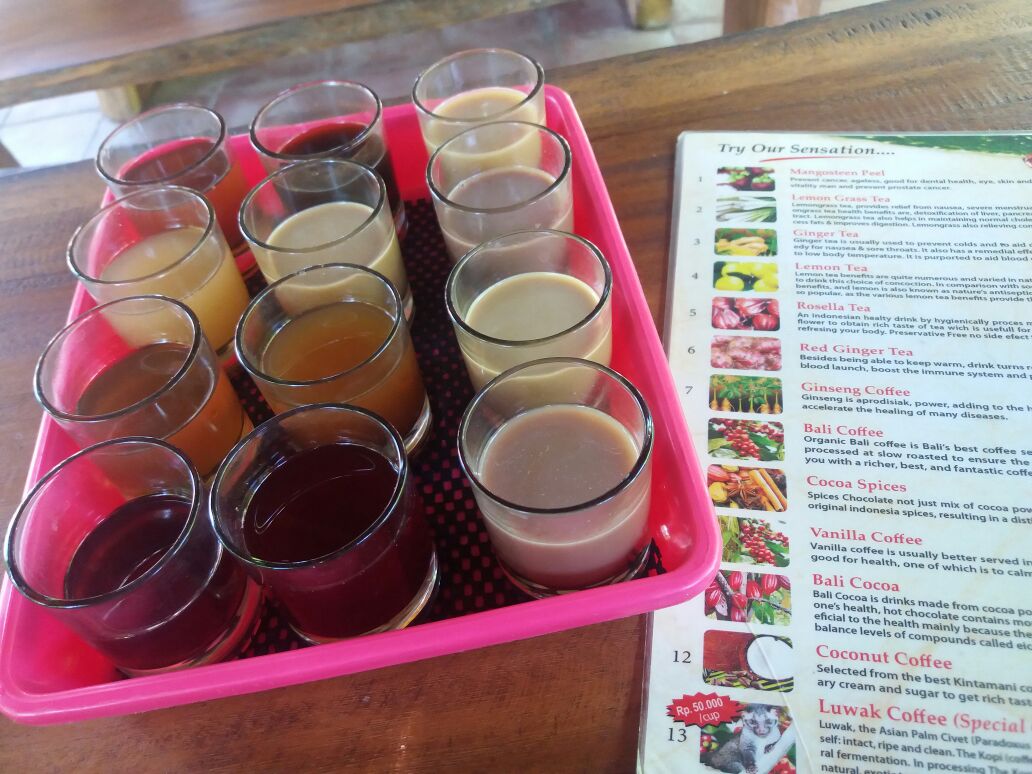
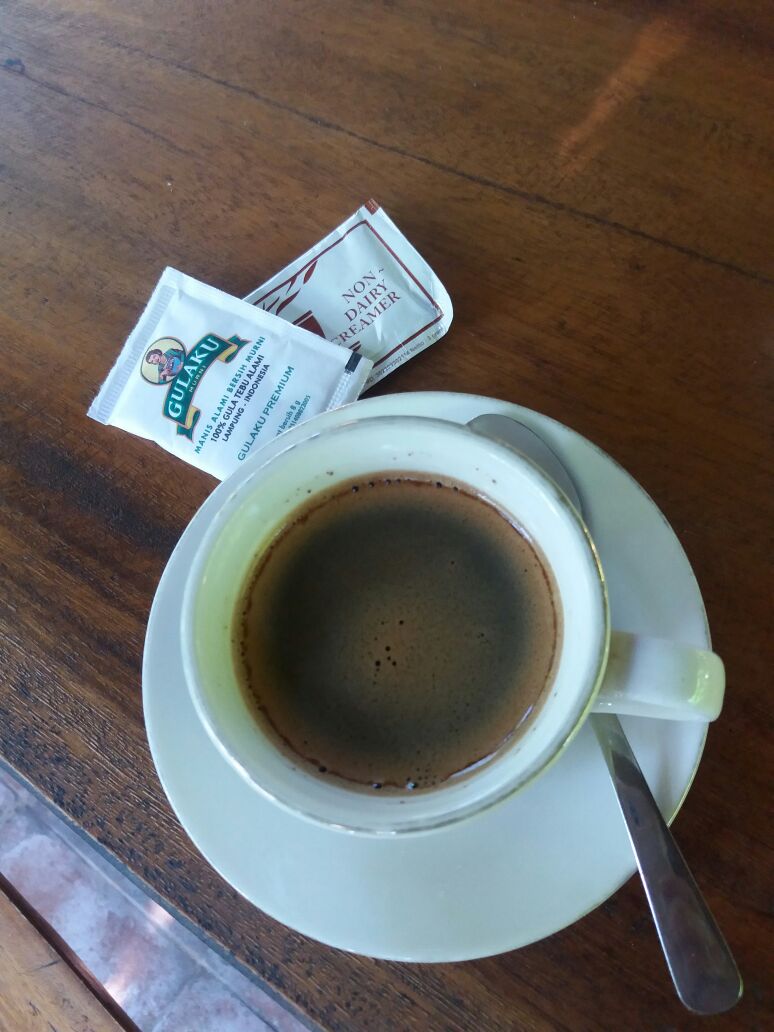
The luwak coffee was not included in the samples, however. It was sold separately, but of course I had to try it.
What does kopi luwak actually taste like?
Despite its reputation, kopi luwak does not have a universally agreed-upon flavor profile. Many describe it as smooth, low-acid, and earthy, with less bitterness than conventional coffee.
However, the difference can be subtle. For many casual coffee drinkers like me, kopi luwak tastes like…coffee. But the experience matters more than the flavor itself, so I wasn’t really complaining.
If you’re not already sensitive to origin notes and processing methods, the premium may feel hard to justify.
Is kopi luwak worth trying?
Kopi luwak’s fame is rooted as much in its story as in its taste. For travelers curious about local culture and unusual food experiences, trying it once or buying it as a souvenir can be interesting (if sourced ethically). But as a daily coffee or must-buy luxury item, it’s far less compelling.
For many people, high-quality single-origin coffees offer more distinctive flavors at a fraction of the cost, without the ethical uncertainty. As for me, I still prefer my good old cup of Malaysia’s white coffee.

Have you tried kopi luwak? What did you think about it? Comment below.
You might also like:




_in_cage.jpg)
Pingback: Visiting a Coffee Farm in Kiambu, Kenya – Ummi Goes Where?
taste luwak masa travel to bali. for i think its thicker than usual coffee. same like u, i’ll stick to my coffee je la haha
Hahaha, kan? Dengan harga yg macam tu, baik minum kopi biasa je la. Tapi sesiapa yg nak rasa minuman yang pelik dan eksotik, boleh la cuba kopi luwak ni.
I haven’t tried the kopi luak yet and even travel to Bali. My friend pernah lah try. She said it tasted totally exotic. Is that right? Btw Ummi, your Bookworm Interview is now published ya. So pls feel free to check it out. Thank you for your participation.
Yes, I saw the interview yesterday, Fadima. Thank you for publishing it!
As for the luwak coffee, I failed to see or taste anything special about it, unfortunately.
Yes have been to this place and I think have tried the luwak coffee but not sure whether would change it for nescafe haha
Haha, it must have been so unmemorable that you’re not sure whether you’ve tried it or not, kak Fas. I personally think it’s not worth the price or the effort to produce it. But to each his own. 🙂
Hahaha dah 3 kali tau ada ke tempat yang ada jual Kopi Luwak ni, dan tetap juga Sis tak bileh nak minum.. mungkin kalau dari awal mereka tak kata ianya kopi dari najis tupai tu, maybe Sis minum.. hahahahaha
Hahahha. Nanti kalau sis pergi ke Bali sekali lagi, cuba la sesudu. Share dengan member ke. Mana la tau, kot2 terpikat ke dengan rasa dia.
i pernah try luwak kopi ni masa dekat bali..btw masa tu tak tahu lagi..bila tahu rasa nak muntah pun ada hahah.. tapi sedap hehehe
Hahaha kalau nak minum, jangan fikir sangat cara penghasilan dia, nanti tak lalu. Tapi ok la, kira Ayu suka juga la ya rasa kopi luwak ni? Saya tak dapat tangkap apa rasa yg istimewa tu.
Rindunya nak minuk luwak coffee.. I tried and experience the entire preparation processes during my last trip to Bali 5 or 6 years ago… Hehe… Kena repeat ni..
Wow, Kitkat, you’re one of the few people here who actually love luwak coffee. Perhaps I need to go through the entire preparation process too to be able to appreciate it.
haha old town white coffee memang the best..iena pernah minum kopi termahal ni..oklah rasa dia macam same je dgn coffe lain 🙂
Kan, iena? Harga je mahal, takde la istimewa sangat pun rasa dia. Takleh lawan old town white coffee la haha.
Tak pernah minum kopi luwak. Tapi Marina memang tak minum mana-mana kopi pon.hehe
Oo..Marina memang tak minum kopi ya? Sama la saya pun kurang minum kopi, sebab pening. Lebih suka teh.
Femes kopi luwak Indonesia ni. Memula tahu dulu proses nak dapatkan kopi ni, rasa menarik sangat kan. Harap ada rezeki nk cuba kopi ni one day.
Ya, Ana. Proses penghasilan kopi luwak ni sangat unik. Semoga Ana ada rezeki untuk mencubanya nanti. Dan kalau boleh, cuba la dapatkan di tempat yang mengamalkan cara penternakan yang beretika, ya. 🙂
rasanya dulu pernah ada isu tentang kopi ni. taktau lah betul ke tak kan. tengok ramai je minum
Isu apa tu, FD?
I tried it once at bali but at that time, i never really knew much about how the beans were harvested. may your article help other innocent travelers in the future haha!
Haha thank you, Grace. I hope this article won’t turn them off completely. Kopi luwak is still worth a try although I wasn’t too impressed with it.
I tried kopi luwak before when i was in Bali, it’s kind of an acquired taste unlike my daily coffee.
Oh, is it? I didn’t notice any difference in taste from normal coffee, unfortunately.
Pingback: 25 Best Malaysian Souvenirs and Where to Find Them – Ummi Goes Where?
Pingback: Jelajah Ladang Kopi di Kiambu, Kenya – Mengungkap Keajaiban Kopi Terbaik Dunia – Ummi Goes Where?