

Volunteering at Animal Shelters in Thailand
In 2016, a few months after quitting my job (I honestly can’t remember which one anymore), I decided to volunteer at Baan Unrak Thai Animal Sanctuary in Sangkhlaburi, Thailand.
What drew me there was their no‑kill policy, and the fact that they were working with animals that genuinely had nowhere else to go. At the time, the sanctuary was caring for around 50 dogs, 10 cats, and even a goat.
I only stayed for a week, but the experience stuck with me long after I left. It showed me what volunteering at an animal shelter in Thailand actually looks like beyond the romantic idea people often have of it.
Affiliate disclosure
Some links in this post are affiliate links, including Amazon Associates and other programs. That means if you buy through them, I may earn a small commission at no extra cost to you.
What you should know before you go
Thailand has a huge stray animal population, especially dogs and cats. Shelters and sanctuaries exist all over the country — from Bangkok and Chiang Mai to smaller towns and islands — and most of them rely heavily on volunteers and donations to function.
A few things tend to be consistent across most animal shelters in Thailand:
- Work is hands-on, physical, and unglamorous. This isn’t cuddling puppies all day.
- Longer stays are preferred. Many shelters ask for a minimum commitment (often 1–2 weeks).
- No-kill, rescue-focused shelters usually need the most help.
- Expect basic facilities, limited resources, and improvisation.
If you’re mainly looking for cute photos or a light day activity, animals shelters may not be a good fit. If you’re okay getting dirty, tired, and emotionally invested, it can be incredibly meaningful.
Types of volunteers needed
1. General shelter volunteers
This is the most common role across Thailand. Tasks usually include:
- Walking dogs
- Cleaning cages and common areas
- Washing bedding and bowls
- Feeding animals
- Basic grooming
- DIY repairs, painting, or maintenance
- Socialising animals to improve adoption chances
This work can be repetitive, hot, and tiring, but it’s also the backbone of any shelter.

2. Veterinary & animal-care professionals
If you’re a veterinarian, vet nurse, vet assistant, or vet student, your skills are extremely valuable. Some shelters even offer paid positions or stipends, especially for:
- Spay and neuter campaigns
- Daily medical treatments
- Emergency care
- Outreach programs in nearby villages
Even short-term veterinary help can make a huge difference.

3. Short-term helpers & project-based volunteers
Some shelters accept volunteers for specific projects, such as:
- Building kennels
- Website or social media help
- Photography for adoption profiles
- Fundraising and grant writing
- Accompanying adopted animals on flights to their new homes
If physical work isn’t possible for you, these roles are worth asking about.
What to pack for volunteering at animal shelters in Thailand
This applies broadly, no matter where in Thailand you volunteer:
- Lightweight clothes. I like moisture-wicking dry-fit Tshirts that dry quickly in the hot, humid weather.
- Hat. It might be slightly overkill, but I like this mesh sun hat with a neck flap.
- Sunglasses
- Sunscreen
- DEET-free insect repellent
- Flashlight
- Sturdy walking shoes / sandals for walking the dogs. Trust me — it’s a workout.
- Umbrella/raincoat
- Towels and toiletries
- Basic first-aid kit
- Personal medications and sanitary products (tampons are hard to find in rural parts of Asia)
- Warm layers if volunteering in cooler regions in during Nov-Jan
And most importantly, make sure the clothes your bring are the ones that you don’t mind getting dirty or ruined!

Health, safety & insurance
Most shelters recommend (or require):
- Tetanus vaccination
- Rabies vaccination (as a precaution)
Fights between dogs do happen, and shelters will brief you on safety protocols. Still, this is real work with real risks.
Travel insurance is essential. Any comprehensive policy that covers volunteering activities is important.
Accommodation & meals
At animal shelters across Thailand, accommodation varies widely.
Some shelters provide free or low-cost housing, while others may ask volunteers to arrange their own guesthouses. Facilities are usually simple, with cold showers, fans, and shared rooms.
Baan Unrak provides basic accommodation near the sanctuary for a small fee.

I spent my first night there because I arrived very late and had no time to find alternative accommodation.
The place was functional but crowded, with rescued animals roaming freely indoors. The next day, I moved to a private room in a nearby guesthouse, which made a big difference to my rest and sanity.

Food arrangements vary from shelter to shelter. Some provide one or two simple meals a day for volunteers, while others leave meals entirely up to you.
In many places, you’ll find small local eateries nearby serving inexpensive Thai dishes, and it’s usually easy to eat well on a budget.
Volunteer housing and guesthouses often come with a basic kitchen, making it possible to cook your own meals using fresh ingredients from local markets.
If you have dietary restrictions — vegetarian, vegan, halal, or allergies — it’s worth asking in advance what’s available.
Thailand is generally accommodating when it comes to food, but options can be more limited in smaller towns, so a little planning goes a long way.

Connectivity
Even when volunteering in rural or semi-remote parts of Thailand, staying connected is usually easier than expected.
Mobile coverage across the country is generally reliable, and WiFi is common in guesthouses, cafés, and local restaurants. Many animal shelters and volunteer accommodations also offer WiFi in shared areas.
For everyday use, getting a local Thai SIM card is cheap and straightforward, with good coverage for messaging, maps, and day-to-day browsing. If you don’t want to swap out physical SIMs, eSIMs are also widely available and work just as well in most parts of the country.
My experience volunteering at an animal shelter in Thailand
About the shelter
Baan Unrak was founded in 2007 by Gemma Ashford, a British traveler who originally came to Sangkhlaburi to volunteer as a teacher for Burmese refugees.
While living there, she began noticing the street dogs scavenging at the local market — many injured, sick, or visibly abused.
Using her own savings and donations from friends, family, and non-profit organizations, Gemma started buying food and medical supplies for these animals.
Eventually, Baan Unrak School donated some land, and the animal sanctuary slowly took shape. Since then, it has continued to grow with the help of international volunteers.
What stood out to me immediately was how deeply the sanctuary was embedded in the local community.
Villagers regularly brought in injured pets, rescued strays, and even farm animals because the nearest vet clinic was over an hour away.
What daily life was like
At Baan Unrak, volunteers worked on a daily roster with one day off per week.
- Morning shift: 8:00 AM – 12:00 PM
- Afternoon shift: 2:00 PM – 5:00 PM
Flexibility is usually required, as the hours may vary depending on how many volunteers are available and what happens during the day.
Mornings
Days started with dog walks at 8 am, which were easily the most chaotic and joyful part of the day. Unlocking the gate meant being greeted by a cacophony of excited barks.
Some dogs needed leashes, others harnesses, and others could walk freely, depending on their temperament and training.

While part of the team headed out on walks, others stayed behind to clean cages, prepare food, and change bedding, so that the dogs would come home to clean beds and food ready in their personal bowls. Talk about 5-star treatment.
After the dogs returned, volunteers would continue cleaning around the kennel areas, raking dead leaves, refilling water bowls, and washing beddings.
Afternoons
Afternoons focused on feeding, second walks for higher-energy dogs, playtime, and monitoring animals with special needs.
During my stay, one dog had paralysed hind legs and used a wheelchair, which required constant supervision.
Extra tasks
On top of daily routines, there was always:
- Deep cleaning
- Repairs
- Painting
- Sorting donations
And, whenever possible, just spending time with the animals. This may seem trivial, but is actually an important task.
Socializing the dogs will help them become more comfortable around people, thereby increasing their chances of getting adopted.
Other ways to help (if you can’t volunteer)
Volunteering for a cause that means a lot to you can possibly be one of the most fulfilling experiences you can get in your lifetime.
But not everybody has the time or the money to travel to Thailand. Here are other ways you can help apart from volunteering:
Donate money or supplies
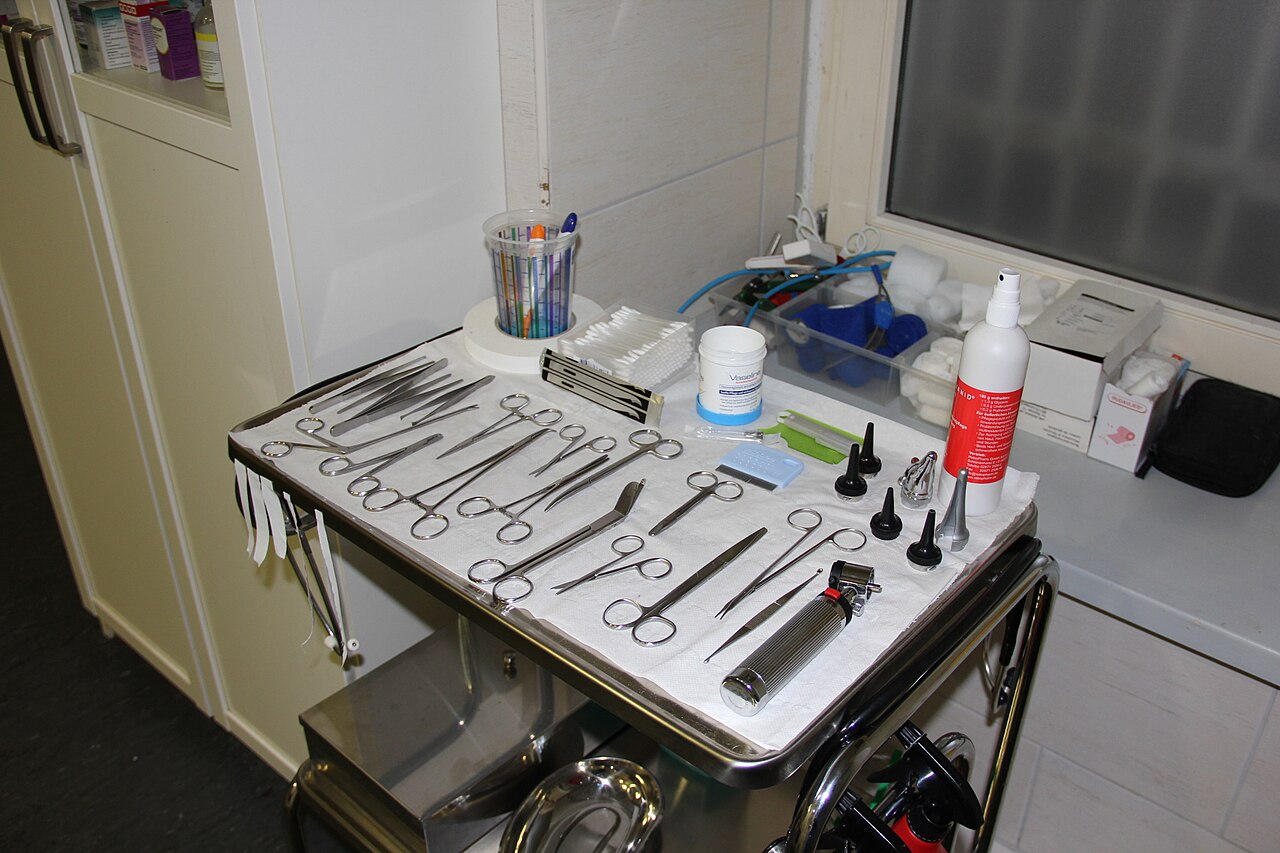
Besides cash, you can donate supplies such as pet food, drugs, bandages, syringes, and other surgical equipment.
Adopt
Many shelters allow you to adopt from anywhere in the world (except Australia). If you’re unable to come personally to Thailand, they can usually arrange for someone to fly your new best friend to you.
Sponsor an animal
Adopting an animal is a huge responsibility that not everybody can commit to and that’s perfectly understandable. However, many shelters accept monthly financial contribution to support a particular animal of your choosing.

Animal shelters in Thailand that welcome volunteers
There are several organizations across the country where people can volunteer with dogs, cats, and even wildlife.
Each place operates differently, so it’s good to check their official sites before you plan your trip.
- Soi Dog Foundation (Phuket)
- Lanta Animal Welfare (Koh Lanta)
- Dog and Cat Rescue Samui (Koh Samui)
- Santisook Dogs and Cats (Chiang Mai)
- Rescue P.A.W.S. Thailand (Pattaya)
- Wildlife Friends Foundation Thailand (Phetchaburi)
- Koh Chang Animal Project (Koh Chang)
- Phangan Animal Care for Strays (Koh Phangan)
Final thoughts
I was only able to spend one week at Baan Unrak. On my last day, as per their tradition, they took a photo of me — and another traveler who was also leaving on that same day — right before they sent us off.

It was a truly invaluable experience for me, especially coming from Malaysia, where dogs are often seen as undesirable. It was eye-opening to witness both the abuse animals suffer and the dedication of people trying to help them.
I would highly recommend this experience to anyone who wants to make their stay in Thailand more meaningful. Forget elephant rides or posing with drugged tigers. If animal welfare matters to you, this is where your time and energy are better spent.
If you’re looking for more ways to do good and give back while you travel, I keep an evolving bucket list of meaningful experiences you can explore too.



Hi Ummi,
Nice informative website!I hope you still have many interesting trips ahead.
Unfortunately the link to the Baan Unrak Thai Animal Sanctuary doesn’t work anymore. They have a new website which is:
https://www.baanunrakthaianimal.com/
and a new Facebook page:
https://www.facebook.com/BaanUnrakThaiAnimalSanctuary/
Would you mind to update the link, so potential volunteers find their way to the Animal Sanctuary?
Have a great day,
Mara
Hi, Mara! Thank you so much for notifying me. I have updated the links in the post.
Have a great day!
Hi Ummi! This is so interesting! Thank you for having such a good heart to help those animals. Keep it up a good work ya. Much love!
Thank you for your support, Yaya. I love animals, so volunteering at this animal sanctuary in Thailand was enjoyable for me. But it did sometimes get tough emotionally when we rescued very sick or injured animals.
seronoknya baca pengalaman sis jadi volunteer kat sana, memang aktiviti yang sangat baik dengan mendekati nature dan berkhidmat untuk mereka yang memerlukan
Mmg pada sesiapa yang nak escape from the city kejap, tempat ni memang best. Tenang, dekat dgn nature, dan xramai tourist. Baru boleh rasa life sebenar kt Thailand mcm mana.
such a nice experience. good for you to taking care of animals in animal santuary. nice sharing btw
Thank you, Aiman. Hope you enjoyed the article. By the way, the animal sanctuary relies entirely on volunteers and donations to keep it going. If you feel like contributing, do check out their website. 🙂
seronok cx baca pengalaman ummi jadi volunteer dekat sanctuary thai . ummi got a kind hearted. tak semua orang mampu dan mahu untuk jadi volunteer. tahnaih cx ucapkan. sesungguh seronok tengok ummi buat kebajikan seperti ini. haiwan juga perlukan perlindungan, kasih sayang dan kelengkapan.
Terima kasih. Saya memang suka dgn haiwan. Jadi, pengalaman volunteer di Thai animal sanctuary ni adalah satu pengalaman yang sangat berharga dan menyeronokkan bagi saya. 🙂
Such a wonderful job. I love reading all these wonderful stories. These pet need love and care from us. Hope I have the chance to visit these place.
Glad you enjoyed this article, Betty. And I do hope you’ll get to visit the place someday. 🙂
Beruntungnya Ummi dapat pengalaman yang jarang orang lain dapat. Comel nya baby squirrel tu… Keep it up!
Haah, comel sangat baby squirrel tu. Masih belum bukak mata. Kami kena feed dia susu dgn botol kecik setiap jam, dan urut perut dia supaya senang buang air. 😄
habis PKP boleh plan dah ni.. hee~ best baca kisah Ummi travel, jaga diri dan salam kenalan dari akak..
Salam perkenalan, kak Siti. Terima kasih sudi support blog saya, dan jaga diri juga. ☺️
I really adore your great work and you have such a great experiences tho… I would like to try this some day in my journey for this kind of volunteerism
Thank you! Volunteering abroad is a great way to make your travels feel more meaningful, especially if it’s for a cause that is close to your heart. But since travel is not possible right now, there are animal shelters in our country that also need volunteers, like PAWS and SPCA.
Waa so proud of you laaa Ummi.. kalau anak Sis yang sulung dia suka laa volunteers macam ni. Nanti nak tengok laa web dia, kot boleh laa buat donation kepadanya..
Ya, disebabkan pandemik Covid-19, Baan Unrak animal shelter ni kekurangan volunteer, sebab border Thailand pun masih tutup. So, kalau mampu, boleh la kita sumbangkan apa yang patut. 🙂
wow. kagumnya bila ummi ke sana utk program volunteer gini. back to nature. animals. heaven!
aida xde skill merawt haiwan sgt. certain haiwan, aida tak brape berani. mesti tak boleh nak join group ni ha ha ah ha 🙂 itu yg kagum dgn people yg dpt spend masa and keberanian spend masa bersama merawat haiwan. terbaik la 🙂
Thank you, Aida. Saya pun takde apa2 skill merawat haiwan. So, yg tu kita biarkan experts je yg buat. 🙂 Kerja saya kat sana, bersihkan kandang, cuci kain, bagi makan, dan bawak jalan2.
thailand memang the best place if we want to escape from the city. i have never imagine myself volunteering. maybe its about time to explore new exciting opportunities
Yup, why not? 😁 But since travel is not possible right now, you can also volunteer in Malaysia. If you like animals, you can try volunteering with PAWS or SPCA.
I sebenarnya br tahu ttg volunteer animal ni. Ms pergi pulau meow dekat pekan pahang. Dan jumpa rmi international volunteer kat sana
Pulau meow kat Pahang? Ni baru first time saya dengar. Ok nanti saya google.
Thanks for sharing this, now i know there is such lovely and caring animal shelter in Thailand.
Yup, I do hope you’ll visit this animal shelter in Thailand if you have the chance 🙂
Seronok u dpt buat keje volunteers ni merata2 tmpt. Experience are priceless. I wish i had time like u masa muda2 buat all these things.
Agreed, experience is priceless! And i wish I had started traveling at a younger age. But it’s never too late! Better late than never.
Pingback: How to Visit Lopburi Sunflower Fields – Ummi Goes Where?